By Sylivestre Sabiiti
In an effort to combat poverty, empower youth, and promote food security, Windle International Uganda (WIU) launched a transformative School Gardening Project in refugee settlements including Imvepi, Palorinya, and Palabek. Supported by Convoy of Hope (CoH), the initiative equips schools and surrounding communities with the knowledge and tools to produce food sustainably, improve nutrition, and strengthen livelihoods.
At Imvepi Primary School, a modern drip irrigation system was installed to ensure consistent vegetable production throughout the year. The gardening project has since become a cornerstone of WIU and CoH’s school feeding and livelihood initiatives, directly linking education to community resilience. Students and community volunteers work together to cultivate maize, eggplants, tomatoes, and cabbages.
In the most recent season, the gardens at Imvepi Primary School produced 26 bags of eggplants. In line with the program’s community-focused approach, 20% of each harvest is shared with local residents, while the remaining 80% supports nutritious meals for learners through the school feeding program.
“Before the feeding initiative, we struggled with poor attendance and low learner retention. But since the program began, we’ve seen stronger attendance, increased re-enrolment, and noticeably healthier students,”
— Mr. Santos Mgbarini, Focal Teacher for the School Feeding Initiative at Awa Primary School
Beyond improving nutrition, the initiative promotes collaboration, practical agricultural learning, and economic empowerment—demonstrating how agriculture can drive both education and development.
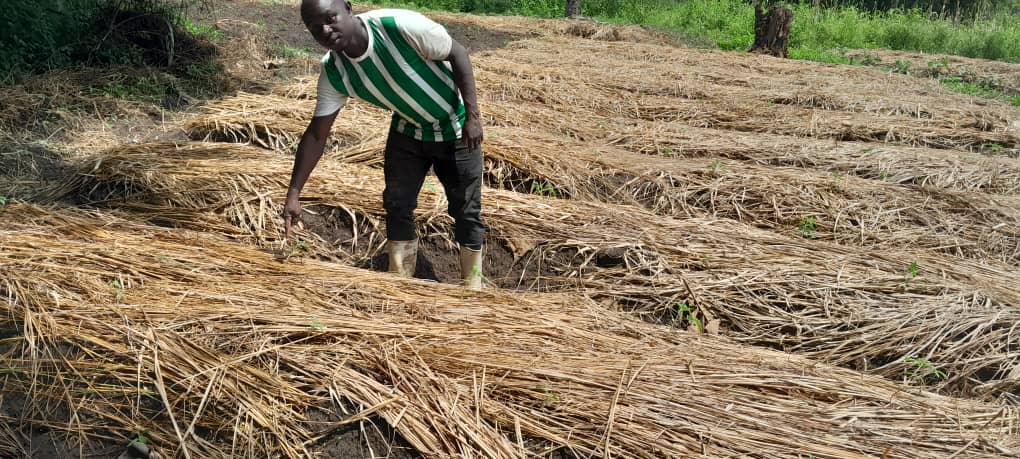
One inspiring example is Mr. Joseph Mawa, a community volunteer farmer whose story mirrors the project’s transformative impact.
When Joseph joined the Agriculture and School Gardening Initiative, his goal was simple: to support his community and help schoolchildren access nutritious food. At the time, he depended on traditional farming methods that barely sustained his family. Low yields and unpredictable weather made farming a constant struggle.
Through WIU’s hands-on training in Good Agronomic Practices (GAP), soil management, and farming as a business, Joseph gained practical knowledge and modern techniques to boost productivity and sustainability.
“Before the training, I farmed just to eat. Now I farm to earn and plan ahead. I can provide for my family, and my children no longer miss school,”
Joseph Mawa, Volunteer Farmer, Imvepi Settlement
Applying his new skills on his half-acre farm, Joseph planted maize and beans using improved seeds and proper land preparation. That season, he harvested eight bags of maize and five bags of beans more than double his usual output. The increased income enabled him to purchase two goats and pay school fees for his children, marking a new chapter for his family.
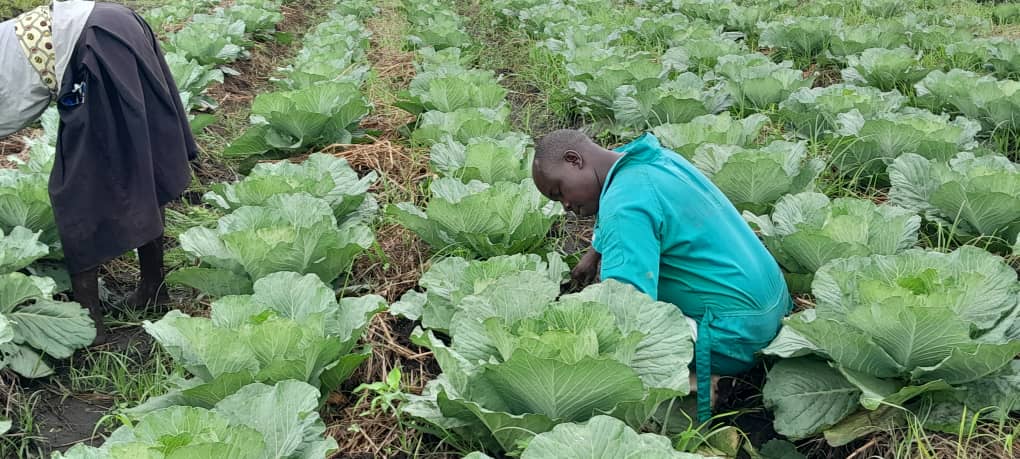
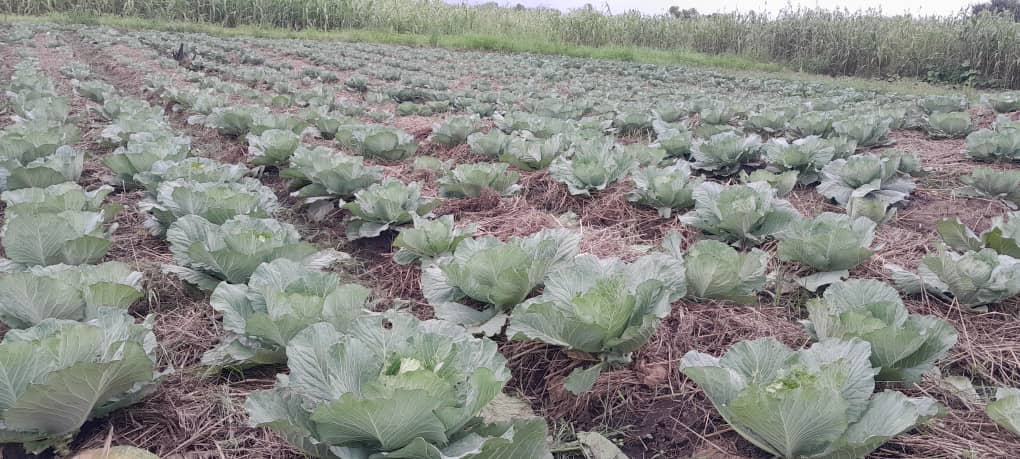
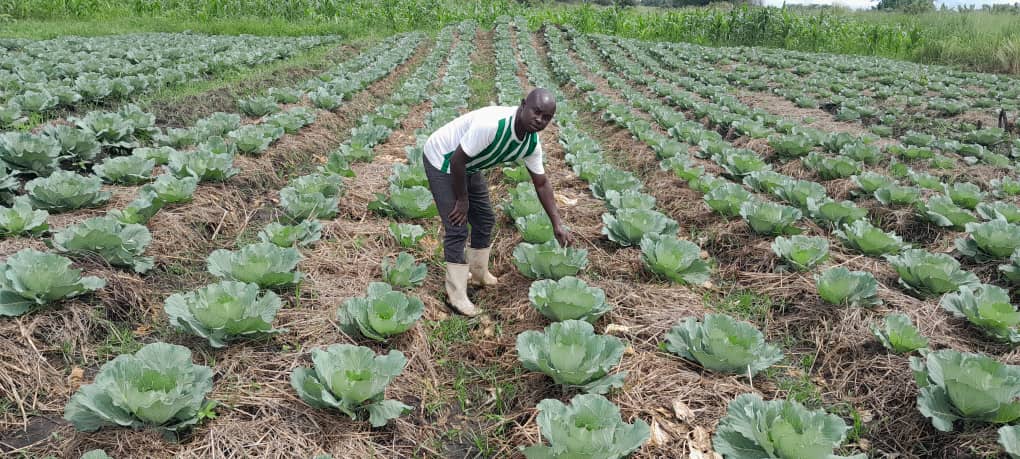
Today, Joseph has expanded his garden to include cabbages, transforming it into a demonstration site where other community members come to learn modern farming practices. His journey from a subsistence farmer to a community mentor embodies the spirit of empowerment that the initiative seeks to inspire.
Joseph is now one of the most active volunteer farmers supporting Afeya Primary School, guiding learners and fellow farmers in adopting improved agricultural techniques. His leadership shows how access to knowledge and resources can unlock opportunities and create lasting change.
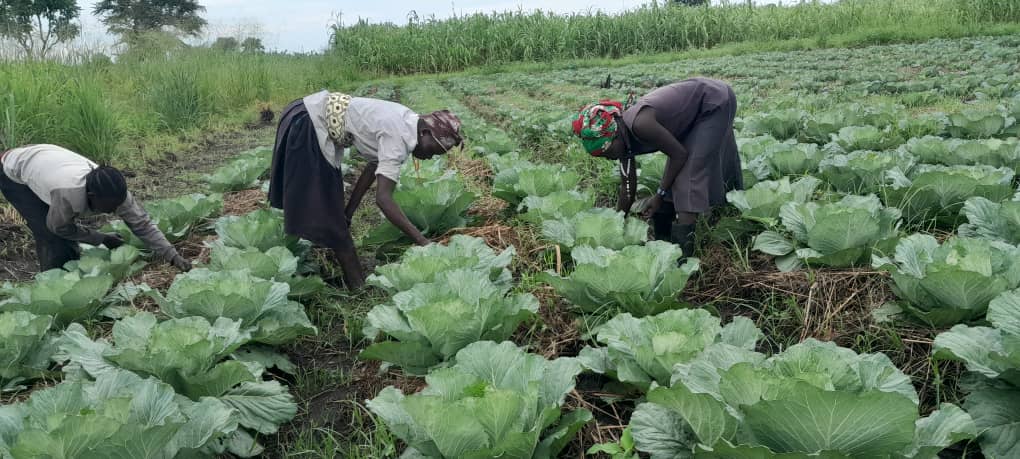
According to Mr. Komakech, the Settlement Manager at Imvepi, the project is also rooted in climate-smart principles:
“Learners and community members are being introduced to sustainable practices such as greenhouse farming and drip irrigation. These skills not only build resilience against climate change but also prepare them for future livelihoods.”
While Joseph’s story highlights the success in Imvepi, similar school gardening initiatives are also thriving in Palorinya and Palabek Settlements, where WIU and Convoy of Hope continue to engage learners and communities in climate-smart agriculture. These efforts are collectively nurturing a generation that views farming not merely as survival—but as a sustainable and dignified livelihood.