
Safeguarding
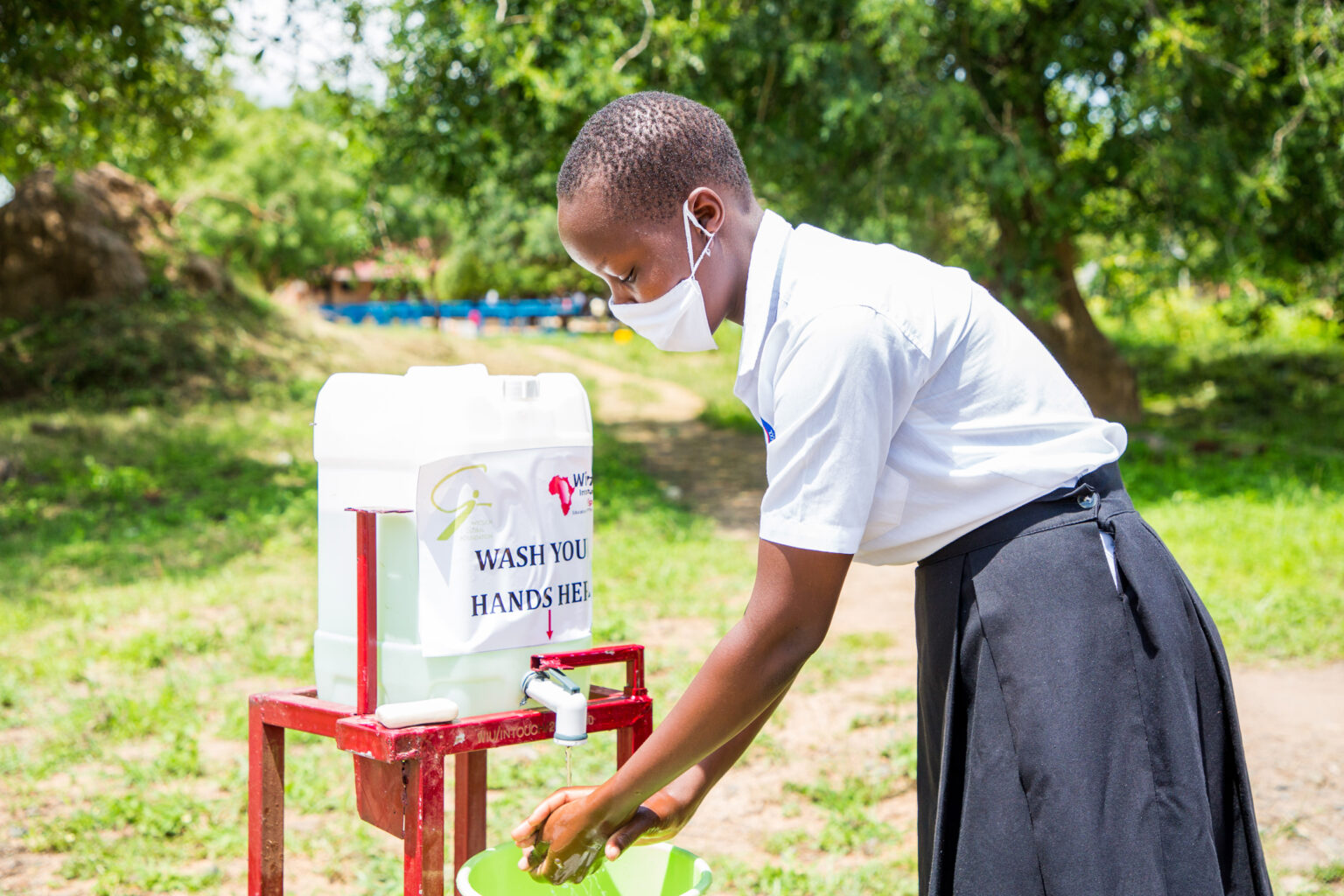
At Windle International Uganda, we understand our increasing role in the humanitarian space and the need to work with other aid agencies to safeguard those we serve from sexual harassment, exploitation and abuse. The safety and wellbeing of all Persons of Concern as they come into contact with our services across all operations is something we take seriously.
Safeguarding is therefore a vital process that protects children and adults from harm, abuse, and neglect.
As passionate advocates for fundamental human rights, we have dedicated measures in place that prevent the abuse of all people, particularly those who fall within our support systems, including women, children, and vulnerable people. We are aware that the opportunities and services provided through our programmes can create a power differential between those who are employed by us and potential programme participants. We acknowledge that there is a risk for this power imbalance to be exploited.
We have put in place guidelines and policies to ensure that those under our care are protected from any form of abuse. It is the duty of every WIU staff member in a school or at a workplace including contractors to safeguard all children, provide awareness and the right services to those who are unable to protect themselves from abuse, harm and neglect.
We also have a comprehensive Global Safeguarding and Protection Framework which has been developed to ensure the maximum protection of programme participants across all countries of operation from exploitation, and to clarify the responsibilities of our staff, volunteers and visitors to the projects and the standards of behaviour expected from them.
School feeding interventions for learners.
Our school feeding initiative is a cornerstone of our educational support, ensuring that hunger never blocks a child’s path to learning. By providing daily nutritious meals, we directly combat malnutrition and dramatically improve school attendance, concentration, and retention rates. This program currently reaches 48,944 learners across 58 institutions in refugee settlements and the Karamoja region.
To ensure sustainability, we complement this with robust agriculture programming, supporting gardens on 85 acres of land and training Young Farmers Clubs to supplement meals with fresh produce. This holistic approach not only feeds minds but also builds community resilience and teaches valuable agricultural skills.
Impact Snapshot:
- 48,944+ children receiving daily nutritious meals.
- 58 schools and Early Childhood Development centres supported.
- Measurable improvements in attendance, concentration, and health.
Mental Health and Psychosocial Support (MHPSS)
Emergencies often have a profound impact on the mental health and psychosocial well-being of affected individuals, especially children and young people. WIU has created a conducive learning environment through successful piloting of mental therapy sessions to address depression among school children thus increasing the enrollment, retention, and performance of learners.
Gender equality and empowerment
We are committed to breaking down the systemic barriers that hold women and girls back. Our gender-responsive programming ensures they have equal access to education, resources, and opportunities. This includes targeted initiatives like distributing menstrual hygiene materials, training girls in producing reusable pads, and creating safe spaces for learning and support.
Our projects actively promote female participation, achieving near gender parity in skilling programs and ensuring women are central to community decision-making processes. By empowering women and girls with education and economic opportunities, we foster more equitable and resilient communities.
Impact Snapshot:
- Near 50% female participation in skilling programs like i-UPSHIFT.
- Comprehensive support provided to young mothers to reintegrate into education.
- Distribution of dignity kits and training in menstrual health management.
Peace Building and Conflict Resolution
We believe education is the most powerful tool for building lasting peace. Our work is designed to foster social cohesion and understanding between refugees and host communities, turning potential conflict into collaboration. We create shared learning environments, integrate peace education into curricula, and support community-led initiatives that promote dialogue and reconciliation.
By bringing people together around a common goal—quality education—we break down stereotypes, build mutual respect, and create a foundation for a more stable and prosperous future for all.
Impact Snapshot:
- Promotion of social cohesion in 7 refugee settlements.
- Integration of peace-building principles into teacher training and school governance.
- Support for community structures that mediate conflict and promote protection.
Child protection
WIU provides access to quality education for refugees and host communities by extending access to quality reading and learning materials. This directly contributes to SDG4, “Quality education to ensure inclusive and equitable education and promote lifelong learning opportunities for all.”
This is done through;
- Providing children in ECD and Primary schools with up-to-date supplementary and fiction books to promote reading among pupils.
- Providing secondary schools with up-to-date top-up supplementary subject books and revision guides.
- Equipping ECD and primary school teachers to use books and incorporate regular reading in ECD centers and primary schools.
- Equip secondary school teachers to manage books, promote reading and studying, and effectively support students in exam preparation.
The model targets learners who may be struggling with reading or lack access to quality education.
The primary goal of “Literacy Competency Model” is to enhance children’s reading abilities by focusing on three key components:
- Reading Assessments: The program begins by assessing the reading skills of each child to identify their specific strengths and areas for improvement. This helps educators and volunteers tailor instruction to individual needs.
- Teacher Training and Support: WIU provides training and ongoing support to teachers and volunteers to enhance their instructional techniques and strategies. This includes providing them with the necessary resources, lesson plans, and Continuous Professional Development (CPD) to improve their ability to teach reading effectively.
- Community Engagement: WIU recognizes the importance of involving parents, caregivers, and the broader community in promoting literacy. We encourage community members to support reading activities, establish and equip libraries, and create reading-friendly environments both at home and in schools.
- WIU utilizes interactive and child-centred approaches to engage children in reading. It includes activities such as storytelling, reading circles, book clubs, and access to age-appropriate reading materials. This creates an enjoyable and positive reading experience, fostering a lifelong love for reading and learning.
Bridging Curriculum
Displacement and conflict can disrupt a child’s education for years. Our accelerated and bridging curriculum programs provide a vital second chance for over-age, out-of-school youth. We deliver certified, condensed learning that helps them catch up on missed education, reintegrate into formal schooling, or transition into vocational training.
This flexible, age-appropriate approach is crucial for ensuring that no one is left behind, restoring hope, and unlocking future opportunities for the most vulnerable learners.
Impact Snapshot:
- 367 over-age youth already enrolled in our Accelerated Education Programme (AEP).
- Curriculum designed to deliver certified competencies in a shortened timeframe.
- Critical pathway for child mothers and youth who have missed years of schooling.
Conflict Sensitive Education
Our approach to education is consciously designed to be conflict-sensitive. This means we ensure our programs do not inadvertently exacerbate tensions but instead actively contribute to safety, protection, and peace. We train teachers in inclusive methodologies, ensure our language instruction reduces barriers, and make our infrastructure development, like building new classrooms, a process that benefits the entire community.
This careful, context-aware planning ensures our interventions are both effective and sustainable, meeting the needs of learners without compromising the stability of their communities.
Impact Snapshot:
- 935 teachers trained in multilingual and inclusive teaching approaches.
- Establishment of English Catch-Up Clubs to help learners overcome language barriers.
- School construction and infrastructure projects that serve both refugee and host community children.